
Your Rollarcoaster Emotions Aren’t the Problem
Feb 10, 2026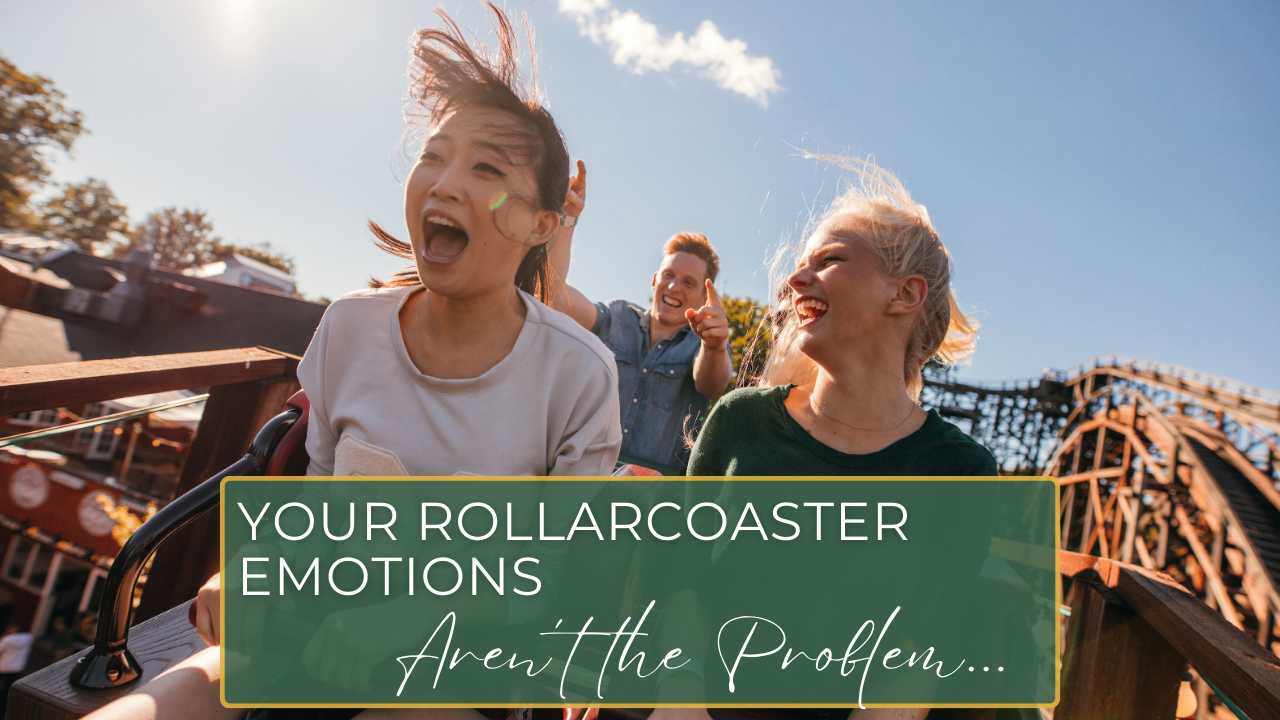
There’s a moment that happens a LOT for multipassionates. Like 99% of us.
You’re excited about something — deeply, genuinely excited — and then out of nowhere, it evaporates.
Not slowly.
Not politely.
It just… disappears. Leaving you so very confused and a little sad.
And then immediately your brain starts telling stories:
“See? You never stick with anything.”
“Here we go again.”
“Why can’t I just be consistent like everyone else?”
But what’s actually happening here isn’t a personal flaw.
It’s a nervous system doing exactly what it was designed to do.
············································································································································
Why Multipassionates Experience Emotional Volatility
Your brain is amazing at really useful things, like:
-
Detecting patterns across multiple disciplines
-
Jumping from idea to idea, concept to concept
-
Responding emotionally to novelty and risk
The same brain traits that make you curious, creative, and able to connect ideas across fields also make your reward and stress systems more reactive.
At the same time, a more sensitive pattern-detecting nervous system means your brain picks up more signals, risks, and possibilities. So you tend to have bigger emotional highs when something lights you up — and deeper dips when it doesn’t. That’s the biology of a brain built to explore.
-
Dopamine fuels excitement when you start a new project, learn a skill, or explore a curiosity.
-
When the novelty fades, dopamine dips — often causing sudden drops in motivation or mood.
-
Your amygdala, the brain’s “alarm center,” is extra alert in multipassionates because we notice more signals, potential risks, and possibilities than most.
This is why emotional highs can feel euphoric and lows can feel disproportionately heavy.
············································································································································
How to Handle the Ups and Downs (Without Suppressing Yourself)
1. Track Emotional Rhythms
-
Keep a simple log of highs, lows, and triggers for a few weeks
-
Patterns emerge: time of day, type of project, or energy levels
-
Awareness is power: once you see trends, you can plan around them
2. Layered Emotional Anchors
Think of your emotional support system like multiple anchor points instead of one safety rope:
-
Micro-rituals: 5-minute stretch, coffee, music, journaling
-
People anchors: one friend who “gets it,” one mentor, one community
-
Environmental anchors: a dedicated space for creating or reflecting
Anchors keep you steady without numbing the emotional intensity that fuels creativity.
3. Micro-Doses of Dopamine Management
-
Alternate high-intensity curiosity bursts with small, achievable wins
-
Celebrate tiny progress moments: finishing a paragraph, completing a sketch, organizing ideas
-
These small wins maintain dopamine rhythm, smoothing out the emotional rollercoaster
4. Movement = Emotional Regulation
-
Exercise, walking, or even stretching changes brain chemistry, reducing cortisol (stress hormone) and increasing serotonin (mood regulator)
-
Multipassionates often underestimate physical cues, but your body leads your emotions more than your willpower
5. Cognitive Reframing
-
When a dip hits, try a simple frame shift:
“This is my brain recalibrating.”
-
Research in psychology shows reframing stress as a growth signal reduces anxiety and boosts resilience
6. Scheduled Reflection Windows
-
Instead of ruminating sporadically, assign time to process emotions
-
Example: 15 minutes in the evening to journal, review wins, and plan the next day
-
Helps prevent emotional momentum from derailing creativity
············································································································································
Bit of a Reminder
Emotions aren’t obstacles — they’re data. Really really useful data.
-
They tell you what excites you, what drains you, and what’s meaningful to you
-
Multipassionates can harness emotional intensity to fuel creativity instead of fear
-
When you track, anchor, and reframe, emotional ups and downs become predictable signals, not unpredictable chaos
You’re not “too sensitive.” You’re intensely alive, curious, and capable of creating deep impact — and now you have some beginning tools to ride your emotional rollercoaster instead of being thrown from the seat.